
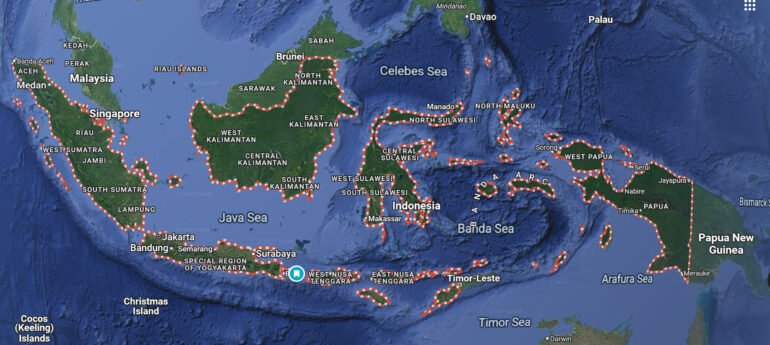
 บทความน่าอ่านเพื่อทำความเข้าใจคู่แข่งของบาหลีภายในอุตสาหกรรมการท่องเที่ยวระดับประเทศ:
คู่แข่งของบาหลีในอุตสาหกรรมการท่องเที่ยวของอินโดนีเซีย
อินโดนีเซียกำลังส่งเสริมจุดหมายปลายทางทางเลือกอย่างแข็งขันเพื่อบรรเทาปัญหาการท่องเที่ยวหนาแน่นในบาหลี และแสดงให้เห็นถึงความหลากหลายของประเทศ จุดหมายปลายทางต่อไปนี้กำลังกลายเป็นคู่แข่งสำคัญ:
1. ลอมบ็อก
– การเติบโต: การพุ่งทะยานขับเคลื่อนโดยเขตเศรษฐกิจพิเศษมันดาลิกา (สนามแข่งรถฟอร์มูล่า 1, รีสอร์ทหรู).
– จำนวนนักท่องเที่ยว: 3.5 ล้านคน (ปี 2566, ก่อนโควิด 2.2 ล้านคนในปี 2562).
– ระยะเวลาเข้าพักเฉลี่ย: 4–5 คืน.
– สถานท่องเที่ยว:
– หาดทรายสไตล์บาหลีแต่คนพลุกพล่านน้อยกว่า.
– ราคาที่พักและกิจกรรมที่ถูกลง.
– การท่องเที่ยวเชิงผจญภัย (ภูเขาไฟรินจานี, น้ำตก).
2. ลาบวน บาโจ (ฟลอเรส)
– การเติบโต: เติบโตอย่างรวดเร็วเนื่องจากอุทยานแห่งชาติเกาะโคโมโด (แหล่งมรดกโลกของยูเนสโก).
– จำนวนนักท่องเที่ยว: 350,000 (ปี 2023, เพิ่มขึ้น 50% เมื่อเทียบกับปี 2019).
– ระยะเวลาเข้าพักเฉลี่ย: 3–4 คืน (มักเป็นการเดินทางระยะสั้นเพื่อดูมังกรโคโมโด).
– สถานท่องเที่ยว:
– สัตว์ป่าที่เป็นเอกลักษณ์ (มังกรโคโมโด, จุดดำน้ำ เช่น “พิ้งค์บีช”).
– การล่องเรือสำราญสุดหรูและการท่องเที่ยวเชิงนิเวศ.
– มีราคาสูงกว่าบาหลีแต่เจาะกลุ่มนักเดินทางระดับบนที่ต้องการความเอ็กซ์คลูซีฟ.
3. ยอกยาการ์ตา
– การเติบโต: การท่องเที่ยวเชิงวัฒนธรรมและการศึกษาที่มั่นคง.
– จำนวนนักท่องเที่ยว: 5 ล้านคน (พ.ศ. 2566 รวมนักท่องเที่ยวในประเทศ).
– ระยะเวลาเข้าพักเฉลี่ย: 2–3 คืน (เดินทางแบบไปเช้าเย็นกลับไปยังบุโรพุทโธ/ปรัมบานัน).
– สถานท่องเที่ยว:
– หัวใจทางวัฒนธรรมของเกาะชวา (แหล่งมรดกโลกยูเนสโก บุโรบุทดัร, พรัมบานัน).
– งานฝีมือดั้งเดิม (ผ้าบาติก, งานเครื่องเงิน).
– ราคาย่อมเยาและโครงสร้างพื้นฐานที่แข็งแกร่ง.
4. นูซา เพนิดา
– การเติบโต: ความโด่งดังบนอินสตาแกรม (หาดกลิงก์กิง, แองเจิลส์บิลลาบอง).
– จำนวนนักท่องเที่ยว: 1 ล้านคน (ปี 2023, เพิ่มขึ้น 200% ตั้งแต่ปี 2018).
– ระยะเวลาเข้าพักเฉลี่ย: 1–2 คืน (มักเป็นนักท่องเที่ยวแบบไปเช้าเย็นกลับจากบาหลี).
– สถานท่องเที่ยว:
– หน้าผาชายฝั่งทะเลและทัศนียภาพท้องทะเลที่น่าตื่นตาตื่นใจ.
– ประหยัดงบ (ถูกกว่าบาหลี).
– คำวิจารณ์: โครงสร้างพื้นฐานและการจัดการขยะที่ย่ำแย่.
5. บันยุวางงี (ชวา)
– การเติบโต: เพิ่มขึ้นเนื่องจากคูหาปูเกาะอิเจน (ปรากฏการณ์ “เปลวไฟสีน้ำเงิน”).
– จำนวนนักท่องเที่ยว: 1.2 ล้านคน (ปี 2023, เพิ่มขึ้น 40% เมื่อเทียบกับปี 2019).
– ระยะเวลาเข้าพักเฉลี่ย: 1–2 คืน.
– สถานท่องเที่ยว:
– ผจญภัยและท่องเที่ยวเชิงนิเวศ (การเดินป่า, ไร่กาแฟ).
– ค่าใช้จ่ายต่ำและผู้คนพลุกพล่านน้อยที่สุด.
6. ราชาอัมพัต (ปาปัวตะวันตก)
– การเติบโต: ตลาดเฉพาะกลุ่มสำหรับนักดำน้ำและนักท่องเที่ยวระดับลักชัวรี.
– นักท่องเที่ยวขาเข้า: 30,000 คน (พ.ศ. 2566, ถูกจำกัดด้วยการเดินทางที่มีราคาแพง).
– ระยะเวลาเข้าพักเฉลี่ย: 5–7 คืน (เน้นการดำน้ำ).
– สถานท่องเที่ยว:
– ความหลากหลายทางชีวภาพทางทะเลที่สูงที่สุดในโลก.
– รีสอร์ทสุดเอ็กซ์คลูซีฟและนโยบายด้านสิ่งแวดล้อมที่เข้มงวด.
7. เกาะเบลีตุง & ทะเลสาบโตบา
– เกาะเบลีตุง:
– การเติบโตที่ขับเคลื่อนด้วยภาพยนตร์เรื่อง Laskar Pelangi และหาดทรายหินแกรนิต.
– เหมาะสำหรับครอบครัว เงียบสงบกว่าบาหลี.
–ทะเลสาบโตบา:
–ทะเลสาบภูเขาไฟที่ใหญ่ที่สุดในโลก ฟื้นคืนชีพด้วยการอัปเกรดโครงสร้างพื้นฐาน.
– ดึงดูดผู้ที่ชื่นชอบธรรมชาติและวัฒนธรรม (ประเพณีของชาวบาตัก).
บทสรุป: บาหลียังคงเป็นศูนย์กลางการท่องเที่ยวของอินโดนีเซีย แต่คู่แข่งต่างเติบโตได้ดีด้วยธรรมชาติ วัฒนธรรมที่เป็นเอกลักษณ์ และนโยบายลดความแออัด ออนคาส อนาคตอยู่ที่ความหลากหลาย โดยอินโดนีเซียจะไม่นำเสนอแค่บาหลีเดียว แต่จะมีบาหลีอีกหลายแห่ง.
————————————————————–
ชายหาดบาวังเมราห์ จิมบารันซีฟู้ด ร้านอาหาร
อ่าวจิมบารัน – หาดเกลัน
ลิงก์แผนที่+เมนู+WA:
jimbaranbayrestaurant.com
WA +62 877 3844 9169
เชื่อมต่อ
Facebook: / bawangmerahbeachfront
อินสตาแกรม: / bawangmerahbeachfront
ติ๊กต็อก: / bawangmerahbeachfront
ยูทูบ: / @bawangmerahbeachfront
ปรับปรุงล่าสุดเมื่อ 5 สิงหาคม 2026 โดย บาหวัง เมราห์ จิมบารัน เบย์