 A good read to understand Bali’s competitors within the national tourism industry:
Bali’s Competitors in Indonesia’s Tourism Industry
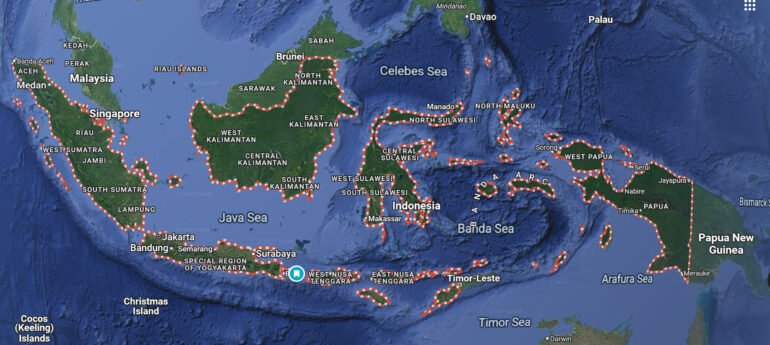
Indonesia is actively promoting alternative destinations to alleviate mass tourism in Bali and showcase the country’s diversity. The following destinations are emerging as serious competitors:
1. Lombok
– Growth: Surge driven by the Mandalika Special Economic Zone (Formula 1 circuit, luxury resorts).
– Tourist arrivals: 3.5 million (2023, pre-COVID 2.2 million in 2019).
– Average stay: 4–5 nights.
– Attractions:
– Bali-like beaches but less crowded.
– Lower prices for accommodations and activities.
– Adventure tourism (Mount Rinjani volcano, waterfalls).
2. Labuan Bajo (Flores)
– Growth: Boom due to Komodo National Park (UNESCO World Heritage Site).
– Tourist arrivals: 350,000 (2023, +50% since 2019).
– Average stay: 3–4 nights (often short trips for Komodo dragons).
– Attractions:
– Unique wildlife (Komodo dragons, diving spots like “Pink Beach”).
– Luxury cruises and ecotourism.
– Pricier than Bali but targets exclusive niche travelers.
3. Yogyakarta
– Growth: Steady cultural and educational tourism.
– Tourist arrivals: 5 million (2023, including domestic visitors).
– Average stay: 2–3 nights (day trips to Borobudur/Prambanan).
– Attractions:
– Java’s cultural heart (UNESCO sites Borobudur, Prambanan).
– Traditional crafts (batik, silverwork).
– Affordable prices and strong infrastructure.
4. Nusa Penida
– Growth: Instagram fame (Kelingking Beach, Angel’s Billabong).
– Tourist arrivals: 1 million (2023, +200% since 2018).
– Average stay: 1–2 nights (often day-trippers from Bali).
– Attractions:
– Dramatic coastal cliffs and seascapes.
– Budget-friendly (cheaper than Bali).
– Criticism: Poor infrastructure and waste management.
5. Banyuwangi (Java)
– Growth: Rise due to Ijen Crater (“Blue Fire” phenomenon).
– Tourist arrivals: 1.2 million (2023, +40% since 2019).
– Average stay: 1–2 nights.
– Attractions:
– Adventure and eco-tourism (hiking, coffee plantations).
– Low costs and minimal crowds.
6. Raja Ampat (West Papua)
– Growth: Niche for diving and luxury travelers.
– Tourist arrivals: 30,000 (2023, limited by expensive access).
– Average stay: 5–7 nights (dive-focused).
– Attractions:
– World’s highest marine biodiversity.
– Exclusive resorts and strict environmental policies.
7. Belitung & Lake Toba
– Belitung:
– Growth fueled by the film Laskar Pelangi and granite beaches.
– Family-friendly, quieter than Bali.
– Lake Toba:
– World’s largest volcanic lake, revived by infrastructure upgrades.
– Draws nature and culture enthusiasts (Batak traditions).
Conclusion: Bali remains Indonesia’s tourism powerhouse, but competitors thrive on unique nature, culture, and policies to reduce overcrowding. The future lies in diversification—Indonesia will not offer one Bali, but many Balis.
————————————————————–
Strand von Bawang Merah Meeresfrüchte in Jimbaran Restaurant
Jimbaran Bay – Pantai Kelan
MAP+MENU+WA-Links:
jimbaranbayrestaurant.com
WA +62 877 3844 9169
Verbinden Sie sich mit dem Restaurant Bawang Merah Beachfront.
facebook.com/bawangmerahbeachfront
instagram.com/bawangmerahbeachfront
tiktok.com/@bawangmerahbeachfront
youtube.com/@bawangmerahjimbaranbay
Last Updated on 5 Februar 2026 by Bawang Merah Bucht von Jimbaran